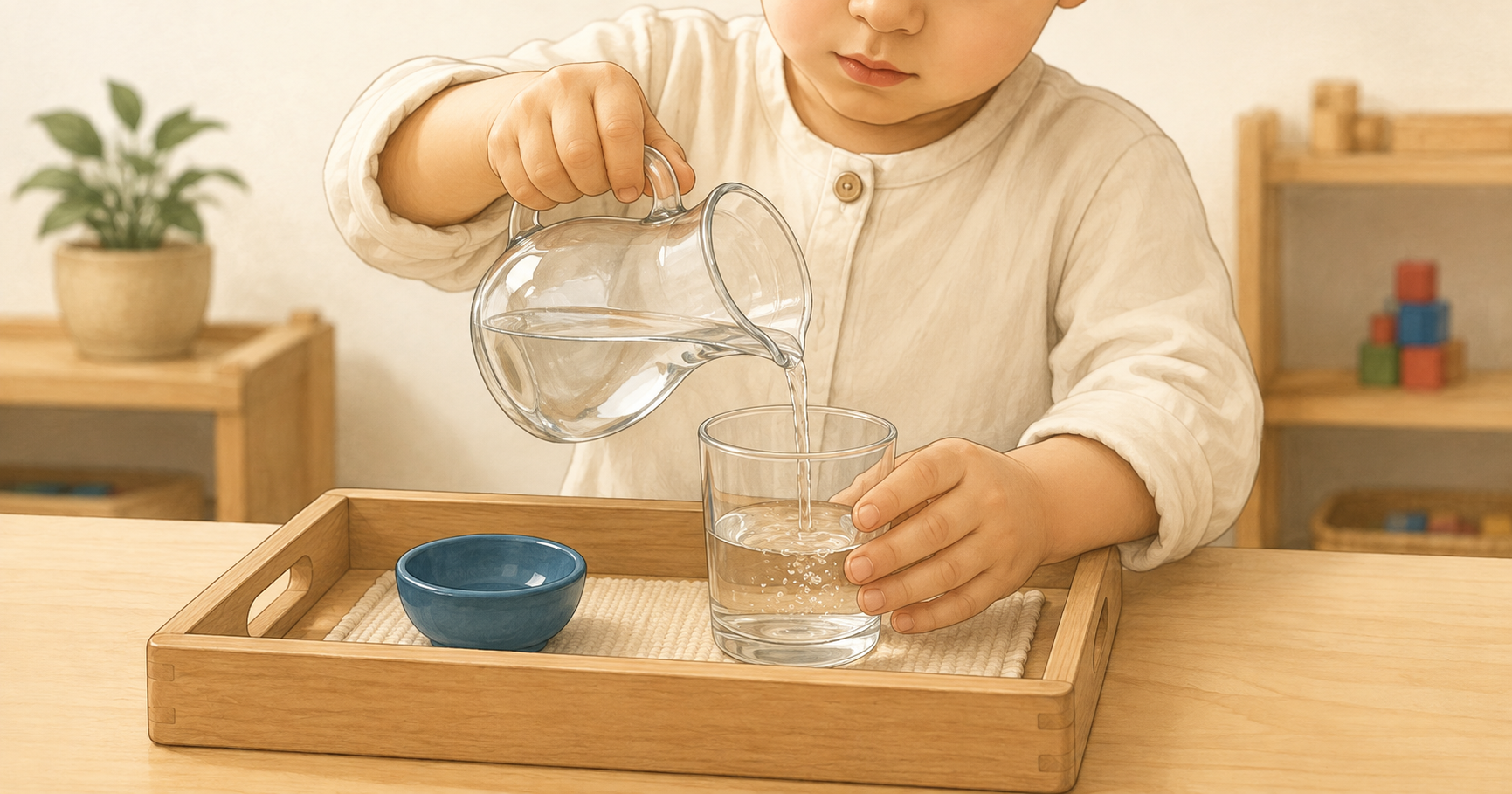
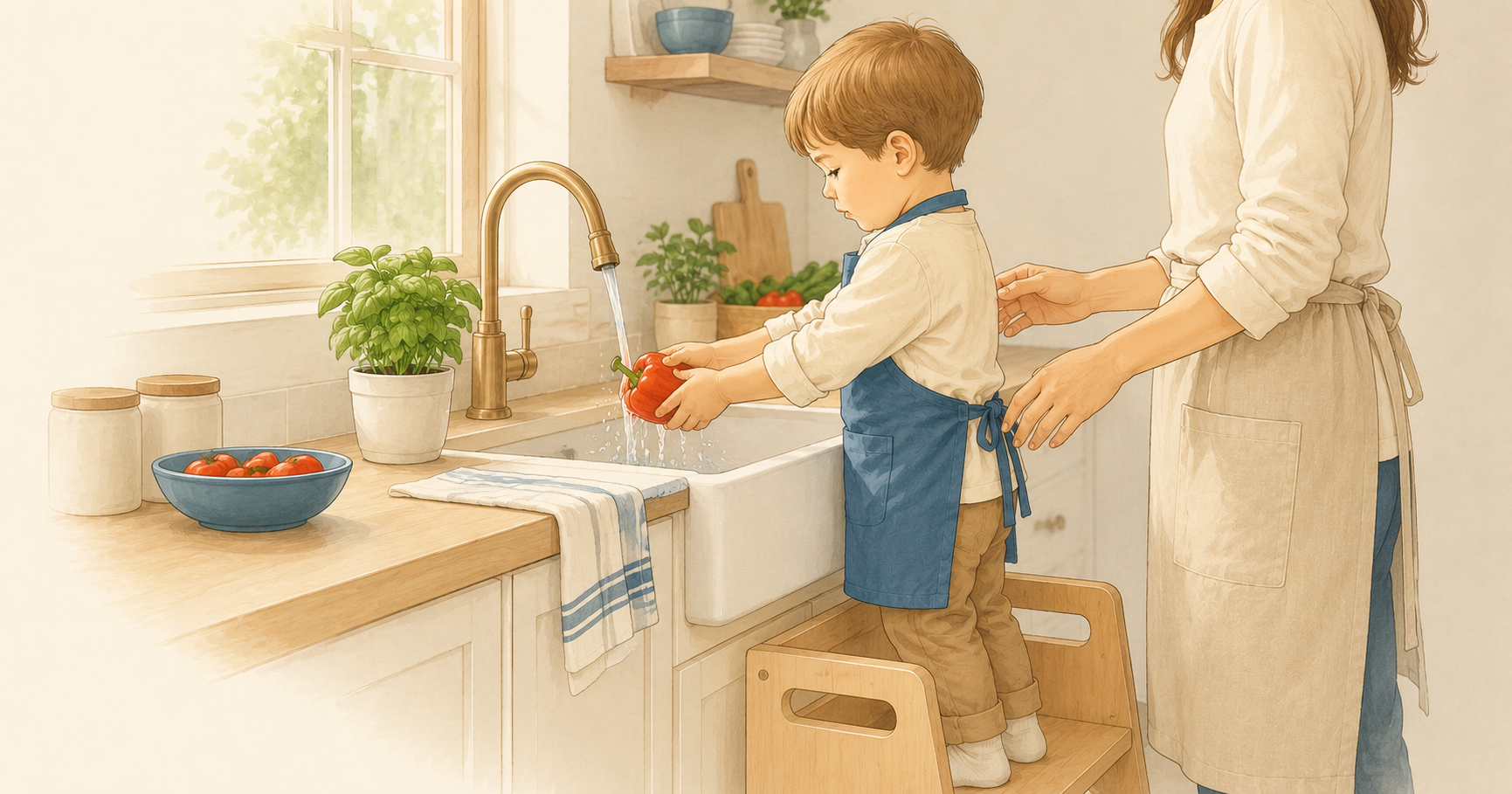
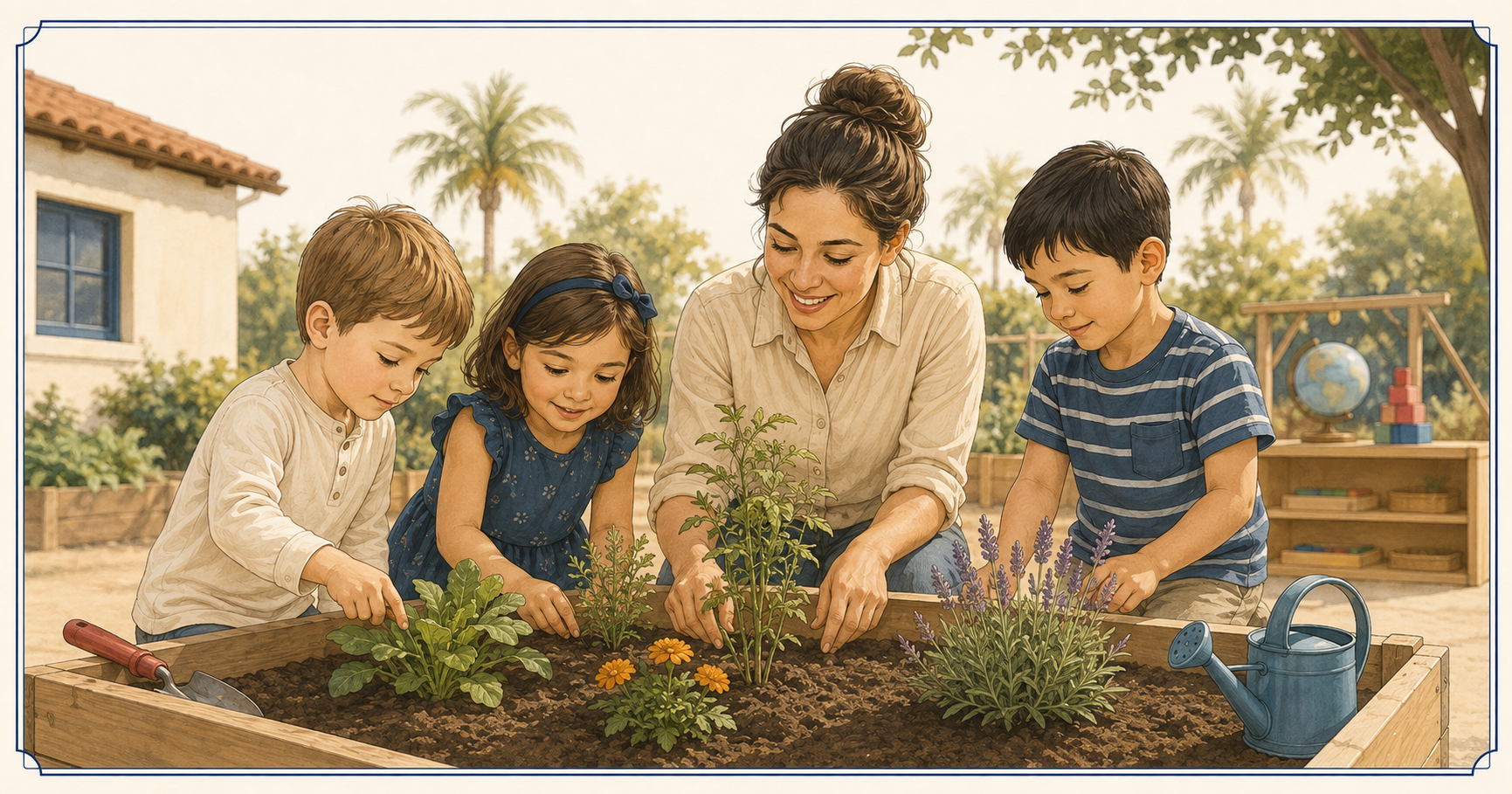
The word "Montessori" gets used loosely, but it names a specific, well-defined educational method developed by Dr. Maria Montessori, an Italian physician and scientist, beginning in the early 1900s and refined by classrooms around the world for more than a century since. It is not a brand, a franchise, or a decorating style. It is a coherent approach to how children learn, grounded in careful observation of what children actually do when they are free to follow their own natural drive to grow.
A method built on observation, not theory
Montessori began not with a philosophy but with watching. Working first with children who had been dismissed as unteachable, she noticed that when she offered them purposeful, hands-on activities and the freedom to repeat them, they concentrated deeply, grew calmer, and learned with remarkable speed. She spent the rest of her life designing materials and environments around what children showed her they needed. That empirical spirit is still the heart of the method today: a trained adult observes each child closely and offers the next challenge at the moment that child is ready for it, rather than marching a whole group through the same lesson on the same day.
The prepared environment and the materials
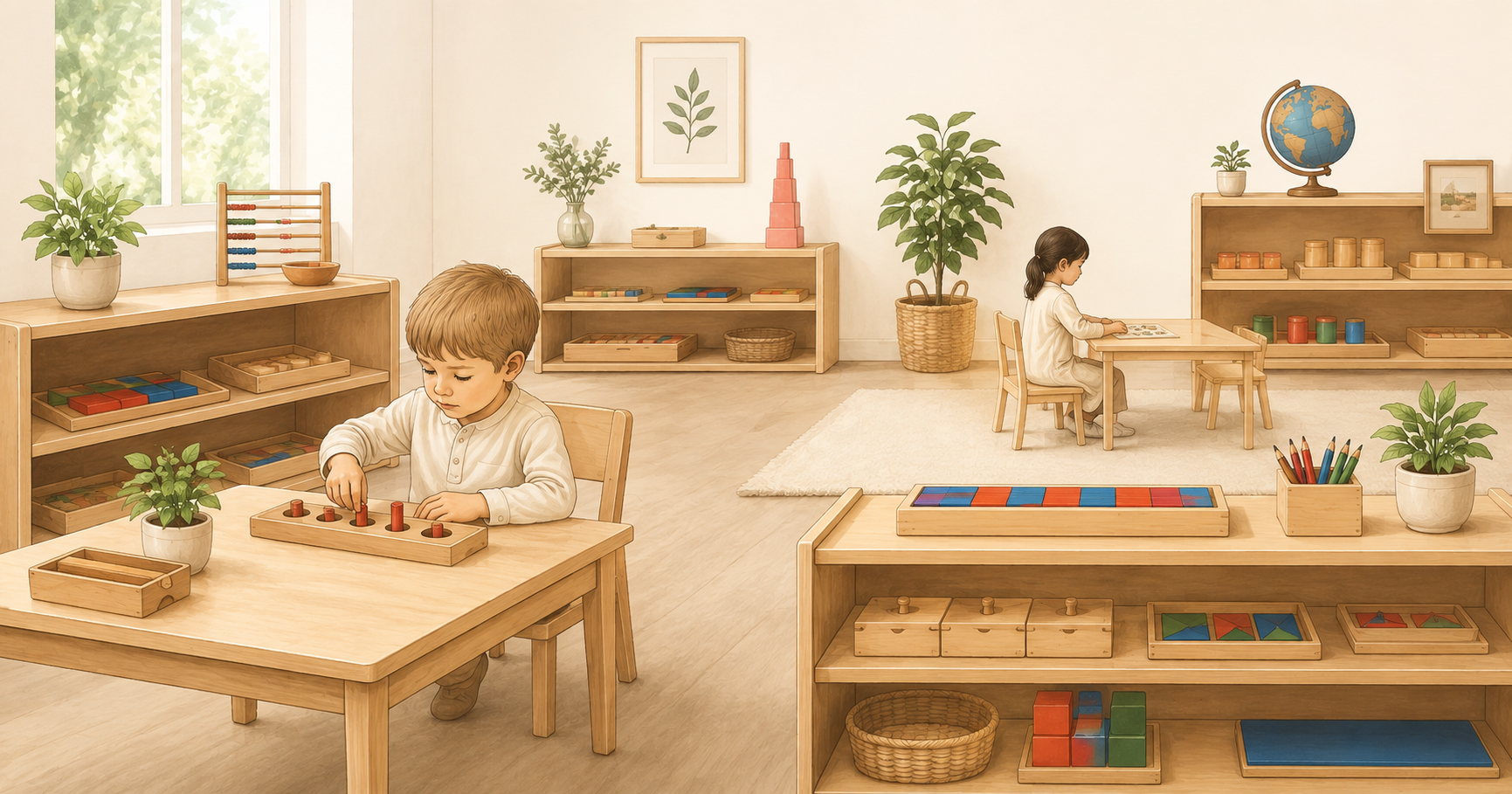
In a Montessori classroom, much of the teaching lives in the environment itself. Beautiful, purposeful materials sit on open, low shelves where children can reach them on their own. Each material is designed to isolate a single concept, such as length, weight, quantity, or a letter sound, so the child's attention is not scattered across several ideas at once. Most materials are self-correcting: a child working with them can see and feel when something does not fit, so learning becomes active problem-solving instead of waiting to be told right or wrong. Children move through the materials at their own pace, building from concrete, hands-on experience toward genuine abstract understanding, which is why Montessori children so often grasp ideas like place value or grammar earlier and more deeply than expected.
Freedom within clear limits
Montessori is frequently misunderstood as either rigid drilling or an unstructured free-for-all. It is neither. Children have real freedom: to choose their work, to move around the room, to repeat an activity as many times as they wish, and to work alone or alongside a friend. But that freedom lives inside clear ground rules and a carefully prepared setting, and that combination is exactly what makes it productive rather than chaotic. Over months and years, the result is a child who can concentrate for long stretches, make and follow through on choices, and treat people and materials with care, because those capacities were practiced daily rather than demanded on command.
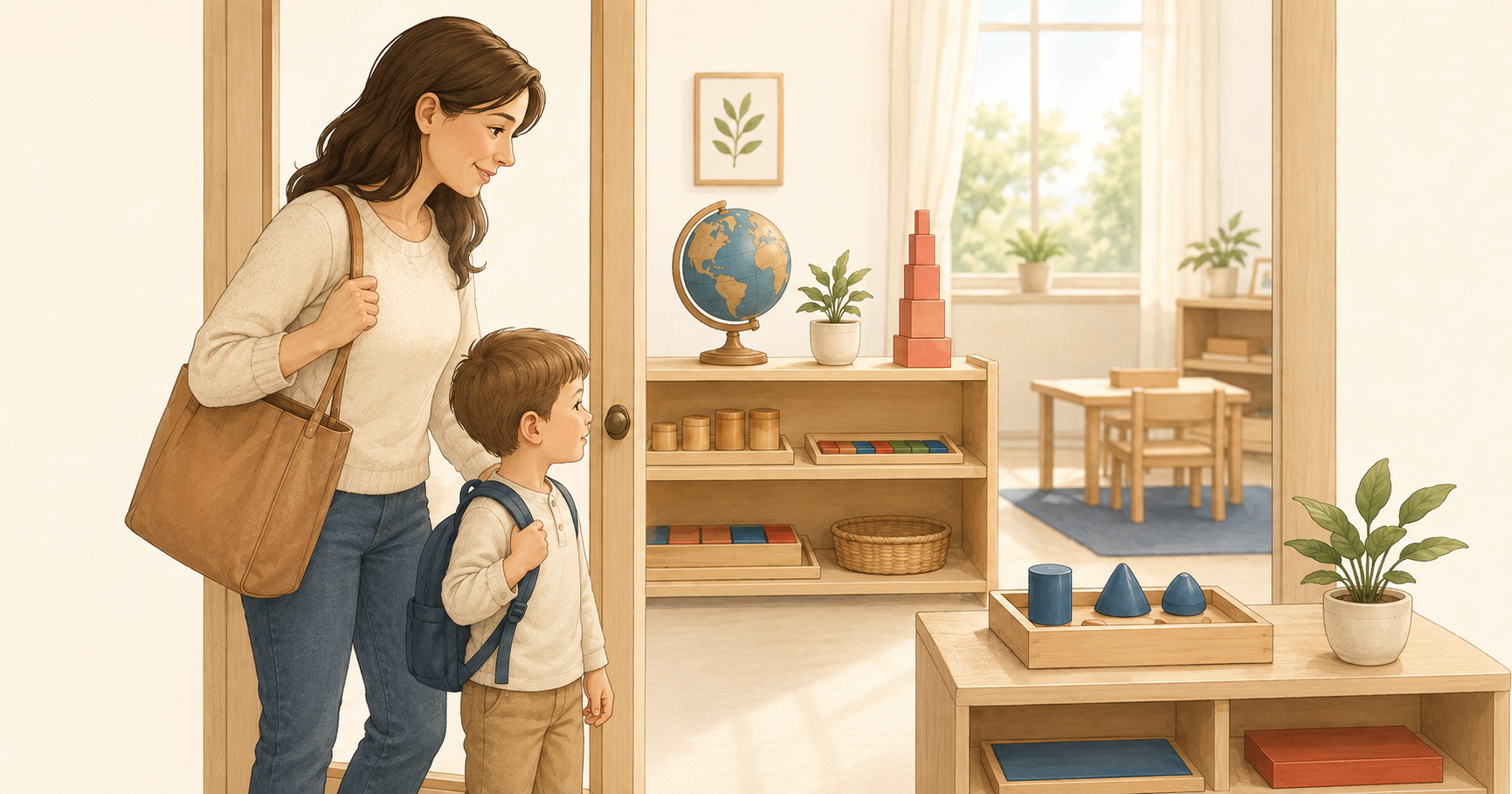
The articles in this section unpack these ideas one at a time, from the specific materials to the mixed-age classroom to the long uninterrupted work cycle and the reasoning behind each. At Little Scholars Academy of California in Orange, these principles shape every classroom from infant care through Kindergarten. The truest way to understand Montessori is to watch it in motion, so if you are curious, we would love to have you visit and see a real Montessori environment for yourself.