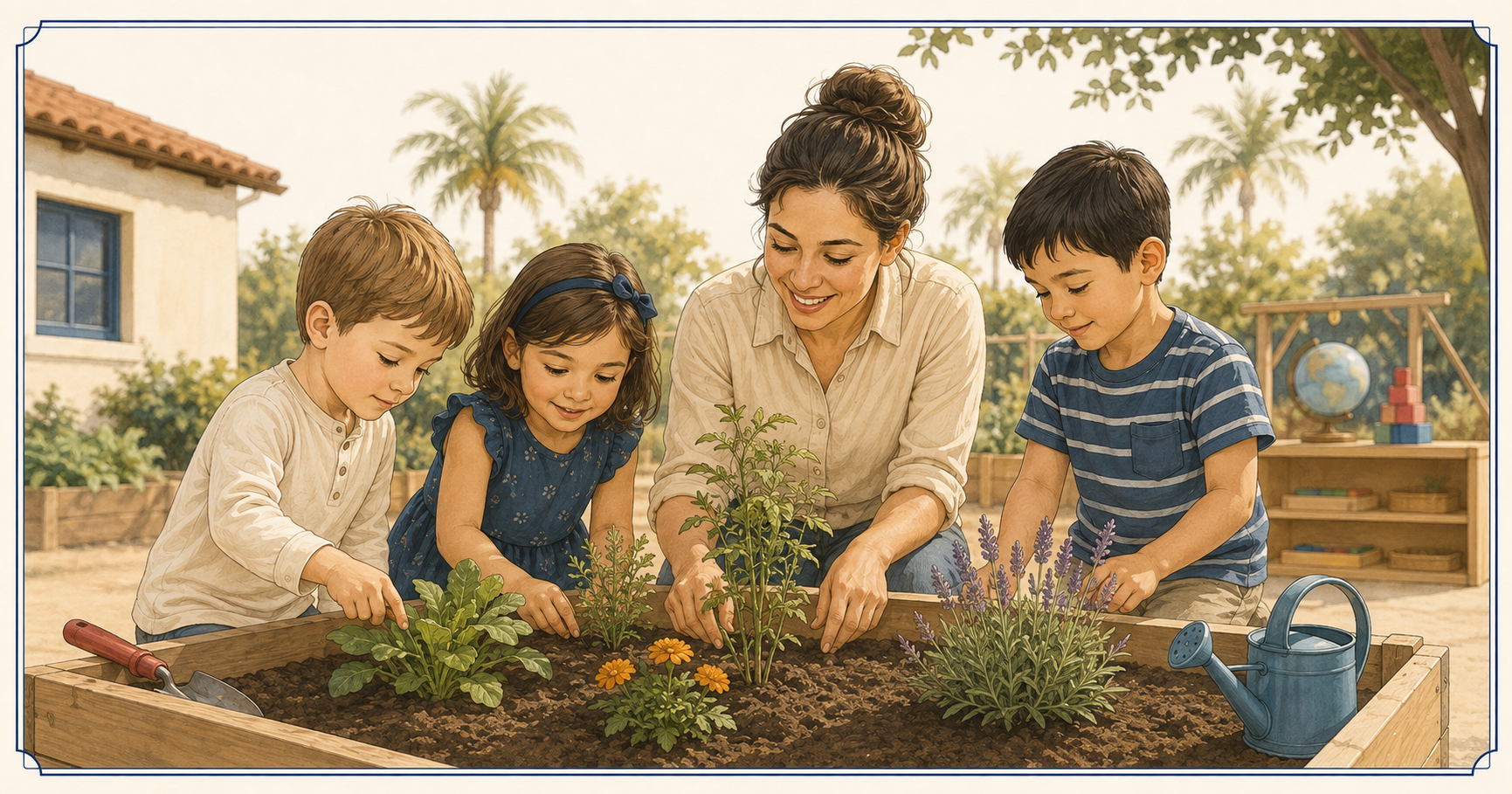
The first six years of life are unlike any that follow. In this window a child builds the foundations of language, movement, independence, and social understanding at a pace they will never match again. Montessori education is deliberately built around the science of these years, and understanding a little of that science makes both the classroom and your own home make far more sense.
The absorbent mind
Maria Montessori described the young child as having an "absorbent mind," a mind that takes in the surrounding world effortlessly and completely, the way a sponge takes in water. A three-year-old does not sit down to study their native language; they absorb it simply by living inside it. The same is true of order, manners, movement, and attitude. This is why the early environment matters so much: young children are not just learning facts, they are forming the very structure of how they think and who they are, largely from whatever surrounds them.
Sensitive periods
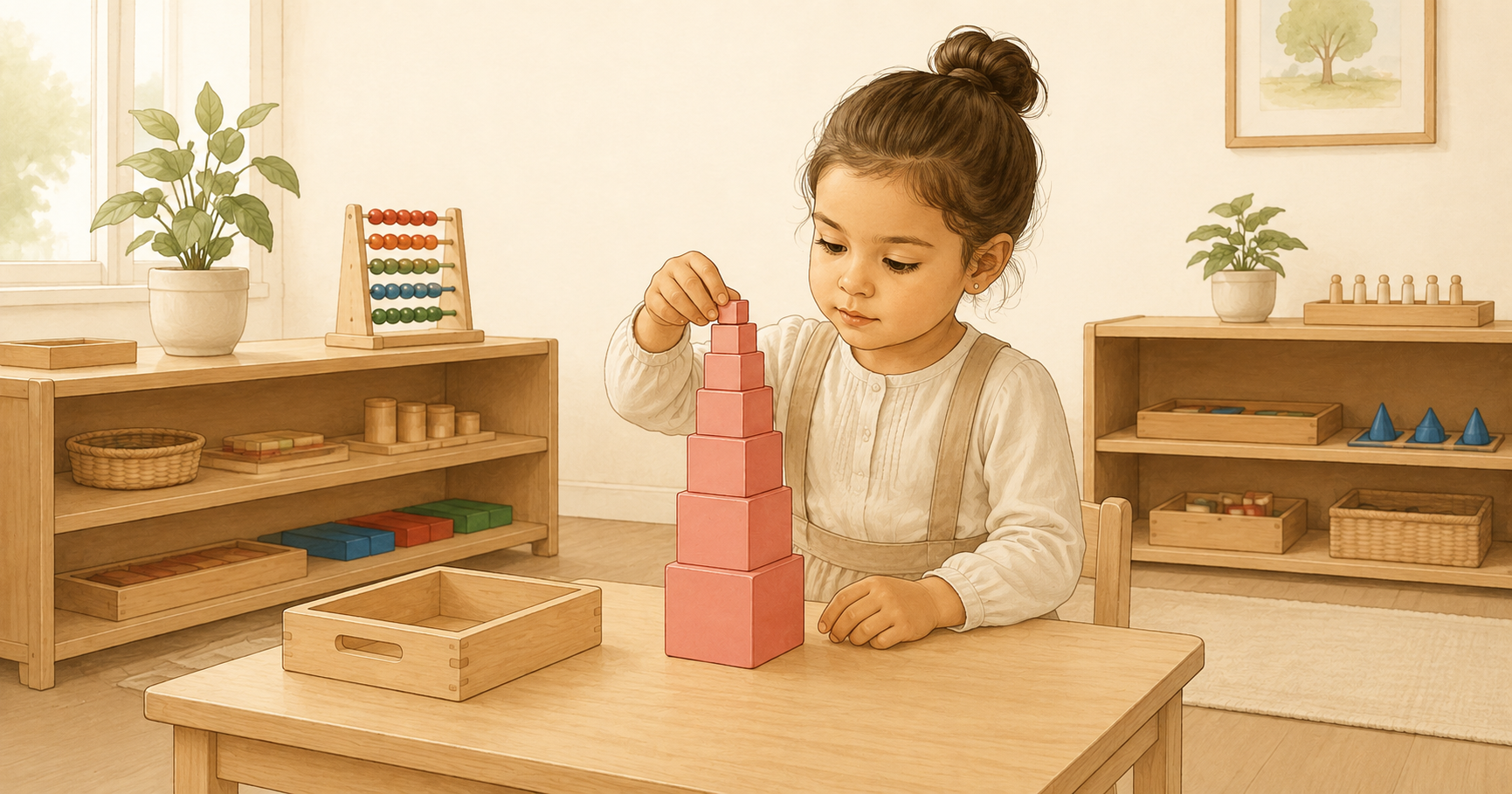
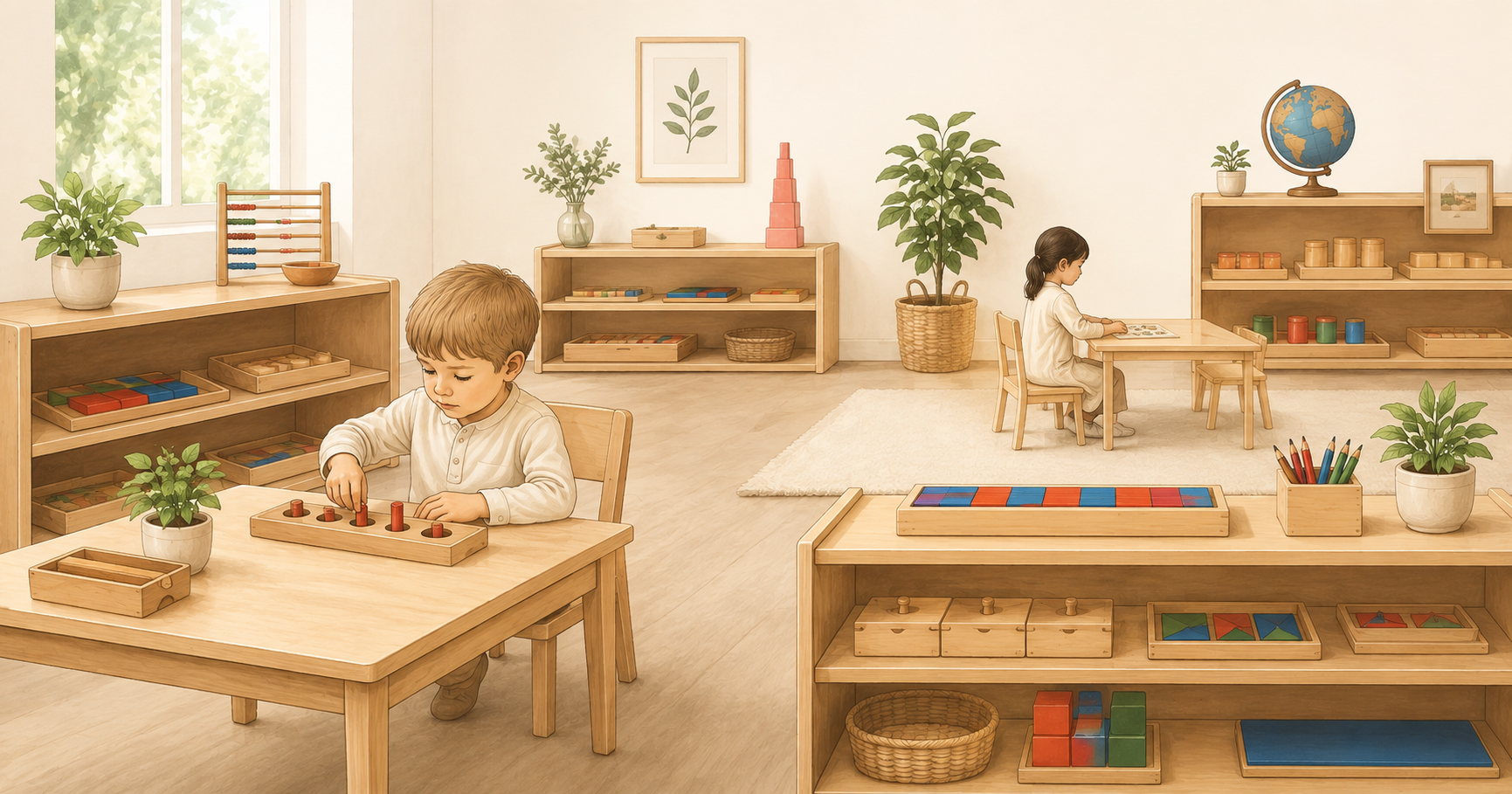
Within the first six years, children pass through what Montessori called "sensitive periods," windows when they are especially drawn to, and especially quick to master, a particular kind of learning. There are sensitive periods for language, for order, for refining small movements of the hand, for tiny details, and for social relationships. A toddler who insists that shoes go in exactly the same spot, or who wants the same book read the same way every night, is not being difficult; they are in a sensitive period for order, building a reliable mental map of how the world works. Montessori classrooms are arranged to offer the right activity during each of these windows, so that learning feels natural and joyful rather than forced.
Independence as the engine of development
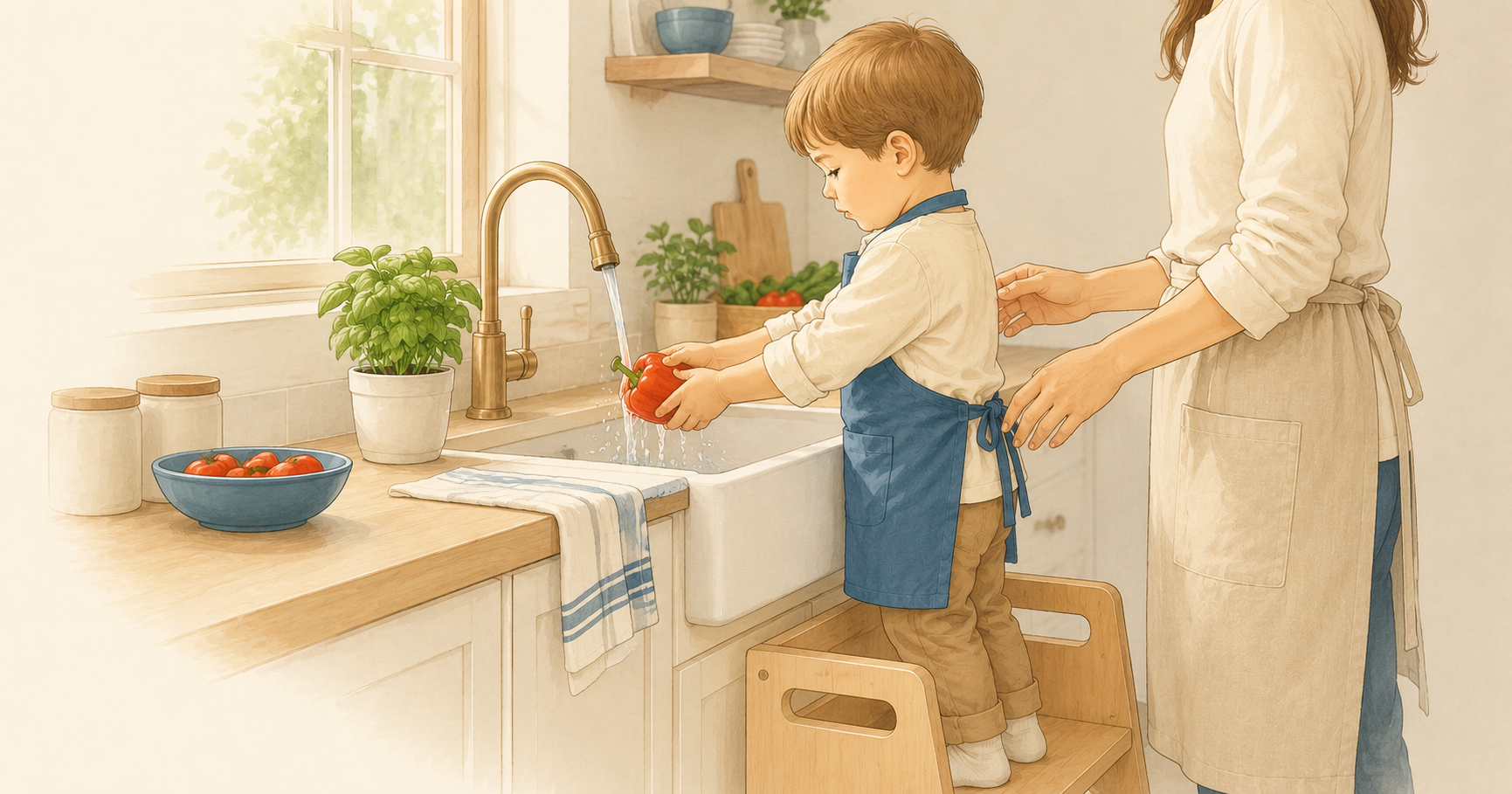
Across all of these stages runs a single thread: the child's deep drive toward independence. "Help me to do it myself" is the quiet request behind so much early behavior. Every time a young child is allowed to do a real thing for themselves, pour their own water, fasten their own coat, carry their own plate, they are not only building a skill but also building confidence, coordination, and a sense of their own competence. Development is not a race with fixed milestones to hit on schedule; it is a range, and children move through it at their own pace. What they need most is an environment that trusts them with real responsibility.
The articles here look at how young children actually grow and learn, from concentration and language to independence and social skills, with practical takeaways for parents. At Little Scholars in Orange, our infant, toddler, Primary, and Kindergarten environments are each designed around the developmental window the children in them are living through, so every child gets the right challenge at the right moment.